Sia - Review
Sia is one of those artists with a truly recognisable, gorgeous sound. Born on the 18th December 1975 in Adelaide, South Australia, she has become one of pop music's most recognisable voices, not just because of the strength of her singing, but because of the unusual path she took to global fame. Rather than arriving as a typical celebrity pop star, Sia built her reputation gradually, moving through bands, backing vocals, songwriting, and then a striking solo breakthrough that made her sound instantly identifiable around the world.
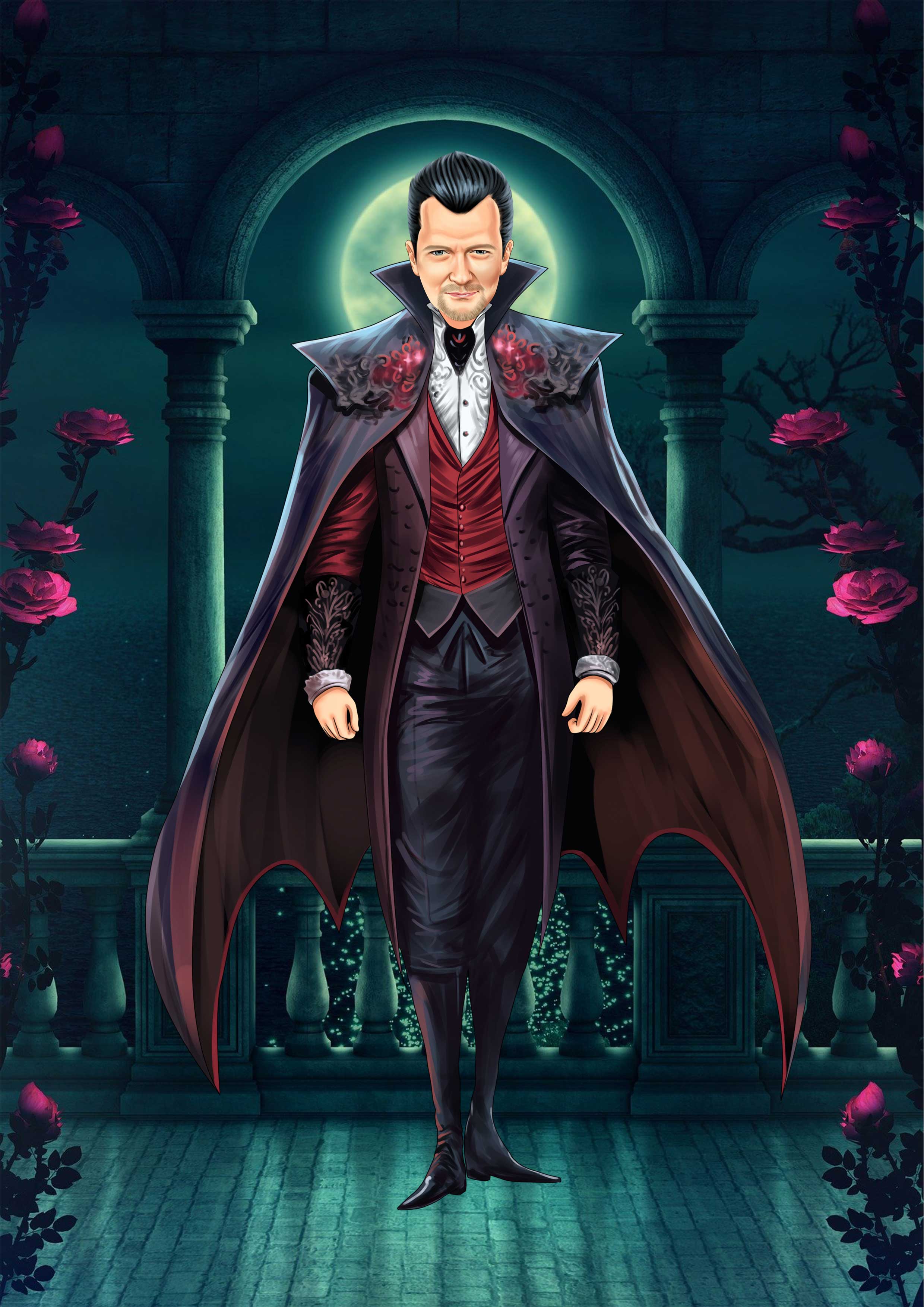
"I put my armour on, show you how strong I am" – A review of Sia.
Sia is one of those artists with a truly recognisable, gorgeous sound. Born on the 18th December 1975 in Adelaide, South Australia, she has become one of pop music's most recognisable voices, not just because of the strength of her singing, but because of the unusual path she took to global fame. Rather than arriving as a typical celebrity pop star, Sia built her reputation gradually, moving through bands, backing vocals, songwriting, and then a striking solo breakthrough that made her sound instantly identifiable around the world.
Her early life was steeped in creativity. Sia grew up in Adelaide in an artistic household; her father, Phil Colson, was a musician, and her mother, Loene Furler, was an art lecturer. That kind of background seems to have shaped her natural connection to performance and songwriting. Before she became a solo artist, she sang with the Adelaide acid jazz band Crisp in the mid-1990s, gaining early experience in a scene that was very different from the pop world she would later influence.
After Crisp disbanded in 1997, Sia released her debut album, OnlySee, in Australia. She then moved to London, where she provided vocals for the British duo Zero 7 and began reaching a wider audience. Albums such as Healing Is Difficult and Colour the Small One showed her as a distinctive, emotionally expressive artist, even before she became a household name. Her song "Breathe Me" (which is one of my favourite songs) helped introduce many new listeners to her vulnerable, cinematic style, and her later albums Some People Have Real Problems and We Are Born continued to build her profile.
What makes Sia's career especially interesting is that her biggest breakthrough came after she had already spent years working behind the scenes. Uncomfortable with growing fame, she shifted her focus toward songwriting for other artists and became a major creative force in pop music. She wrote or contributed to huge songs including Rihanna's "Diamonds", David Guetta's "Titanium", Flo Rida's "Wild Ones" and Beyoncé's "Pretty Hurts". That period proved that Sia was not only a compelling performer but also one of the strongest pop songwriters of her generation.
Her solo superstardom arrived in 2014 with 1000 Forms of Fear, the album that included "Chandelier". The song became one of her biggest hits, pairing amazing vocals with a raw emotional intensity. Its music video, starring dancer Maddie Ziegler, also became a major part of Sia's visual identity. From there, she continued her run with songs such as "Elastic Heart", "Alive" and "Cheap Thrills", the last of which became a Billboard Hot 100 number one single. These hits showed off the dramatic build, huge chorus, and emotionally charged delivery that listeners now associate with her best work.
Overall, Sia's story feels less like a sudden popstar rise and more like a long creative evolution. She moved from local Adelaide music circles to international collaborations, then from songwriter-for-hire to one of the defining voices of modern pop. Her biggest hits are memorable because they combine vulnerability with stunning vocals, and her career stands out because she managed to become globally famous while also challenging what fame itself should look like – and I absolutely love her for that.
Written by Tam Page
About
I'm Mr. Tomney… and I'm from The British Isles, where I create amazing websites and applications. I'm currently a freelance web designer and developer with a great passion for building things with code…
Popular Posts





No comments yet.
Leave a Reply
Your email address will not be published. Required fields are marked *
Comments: