Spandau Ballet - Review
Spandau Ballet are one of those bands whose name instantly brings to mind the drama of early-eighties British pop; sharp suits, saxophones, and a sense of style that was almost as important as the songs themselves. Formed in Islington, London, in 1979, they became closely associated with the New Romantic movement, but their best work stretched beyond fashion into pop, blue-eyed soul, and glossy stadium-ready balladry.
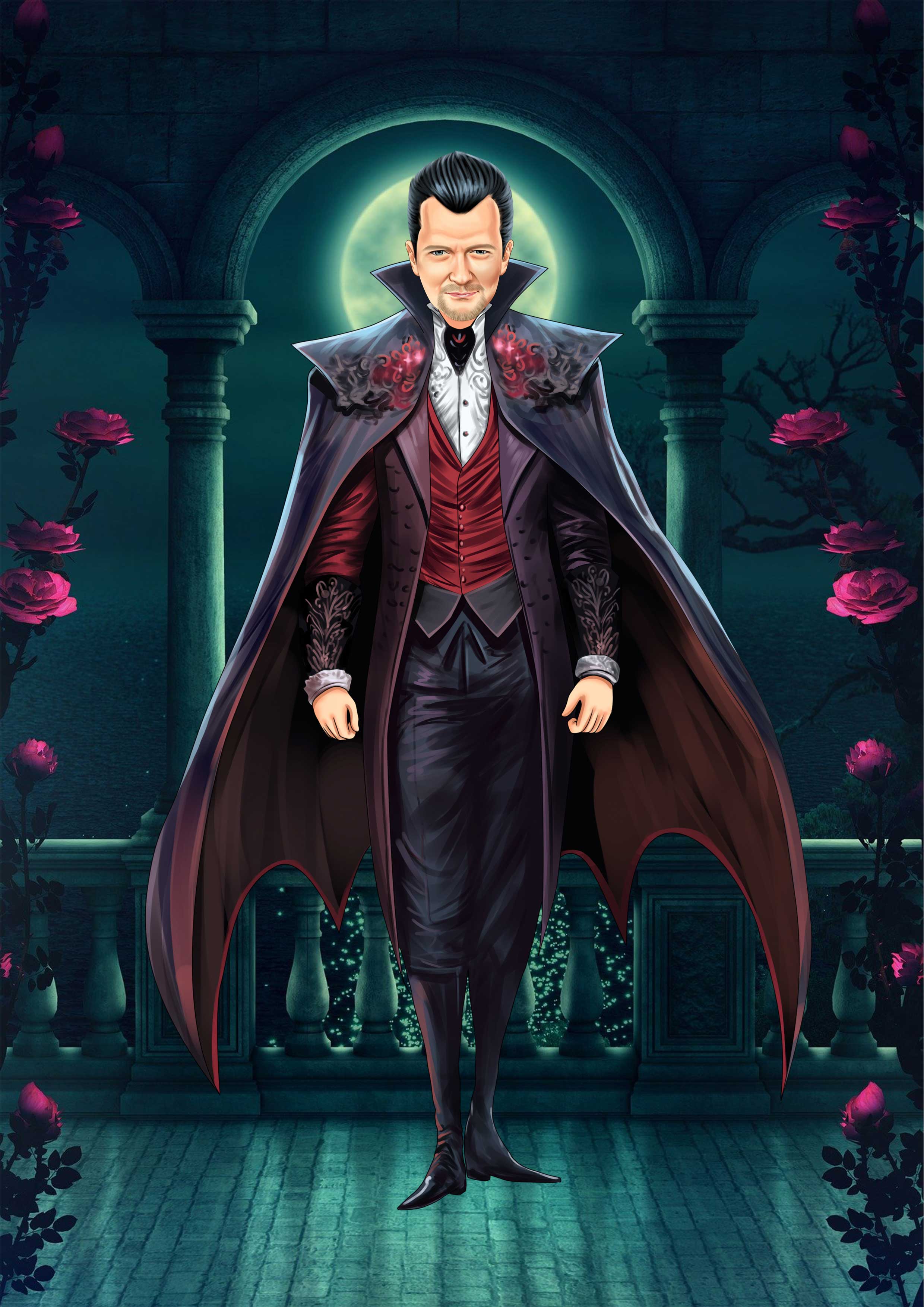
"Always believe in your soul" – A review of Spandau Ballet.
Spandau Ballet are one of those bands whose name instantly brings to mind the drama of early-eighties British pop; sharp suits, saxophones, and a sense of style that was almost as important as the songs themselves. Formed in Islington, London, in 1979, they became closely associated with the New Romantic movement, but their best work stretched beyond fashion into pop, blue-eyed soul, and glossy stadium-ready balladry.
The classic line-up was Tony Hadley on vocals, Gary Kemp on guitar, synthesiser and backing vocals, Martin Kemp on bass, Steve Norman on saxophone and percussion, and John Keeble on drums. Gary Kemp was also the band's main songwriter, which gave Spandau Ballet a very defined creative feel. Hadley's voice gave the songs their grand, romantic atmosphere, while Norman's saxophone became one of their most recognisable touches, especially as the group moved from synth-pop into a smoother, soul-influenced sound.
Their career began with the stylish urgency of "To Cut a Long Story Short", a debut single that reached the UK top five in 1980 and announced them as more than just a club-scene curiosity. Early albums such as Journeys to Glory and Diamond captured the slightly theatrical energy of the New Romantic era, but it was 1983's True that turned them into international stars. The title track became their signature song, reaching number one in the UK and breaking into the top five in the United States, while the band went on to enjoy a run of major singles, high-profile performances, and a place at Live Aid in 1985.
The biggest hits are still the clearest entry point into what made Spandau Ballet work. "True" is the obvious giant: elegant, sentimental, and almost impossibly smooth. "Gold" is bolder, built for crowd singalongs and instantly recognisable from its opening confidence. "Only When You Leave", "Chant No. 1 (I Don't Need This Pressure On)", "Through the Barricades", "I'll Fly for You" and "Lifeline" show different sides of the band, from club rhythms to polished adult pop. At their best, they made pop music that felt glamorous without being empty.
The band's biggest strength was its sense of identity. Spandau Ballet knew how to create a mood: romantic, stylish, dramatic and carefully arranged. Hadley's rich baritone gave even the most polished material real force, and Gary Kemp's songwriting often had a strong melodic instinct. Their best singles have aged well because they are so direct emotionally, yet they also carry the period detail that makes eighties pop so enjoyable. They were never just about one sound either; the shift from electronic New Romantic pop to soul-influenced ballads gave them a massive, broad appeal.
Spandau Ballet captured a particular moment in British pop culture with style and confidence, and when they were good, they were genuinely memorable. They may not have been the most radical band of their era, but they were one of its most elegant and enduring pop acts.
Written by Tam Page
About
I'm Mr. Tomney… and I'm from The British Isles, where I create amazing websites and applications. I'm currently a freelance web designer and developer with a great passion for building things with code…
Popular Posts






No comments yet.
Leave a Reply
Your email address will not be published. Required fields are marked *
Comments: